What is a goumi berry
Reference guide
What is a goumi berry
A goumi berry is the fruit of Elaeagnus multiflora, a hardy shrub native to East Asia. The plant is sometimes noted for nitrogen-fixing behavior, but fruit quality and use vary widely by cultivar and ripeness.
Although sometimes compared to familiar berries, goumi behaves differently in how it grows, ripens, and is best eaten. Understanding those differences is key to having a good experience with the fruit.
The goumi plant
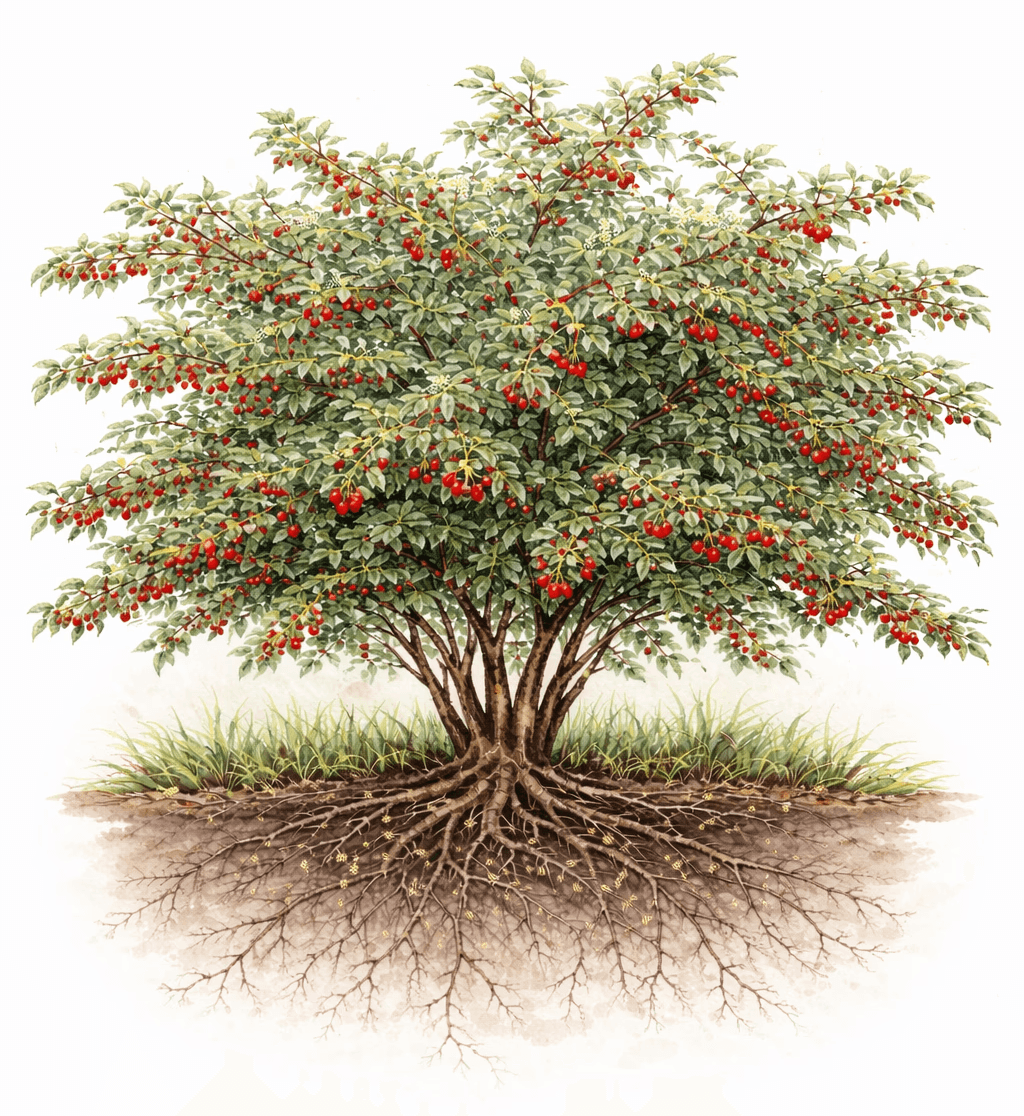
Goumi grows as a multi-stemmed shrub rather than a trailing cane or herbaceous plant. Mature plants develop arching branches and can reach several feet in height and width when unpruned.
Unlike most fruiting shrubs, goumi forms a symbiotic relationship with soil bacteria that fix atmospheric nitrogen. This allows established plants to perform well in a wider range of soils and contributes to their reputation for resilience once mature. Nitrogen fixation supports plant vigor and soil resilience, but it does not guarantee fruit quality or flavor.
Goumi is typically grown as:
a home garden shrub
a hedgerow or windbreak
a small-scale orchard plant
Goumi fruit (goumi berries)
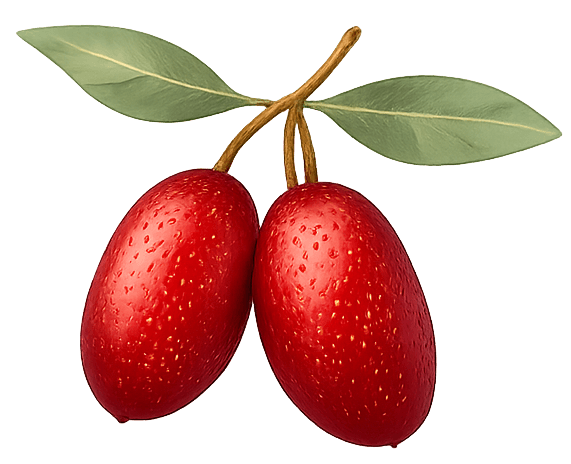
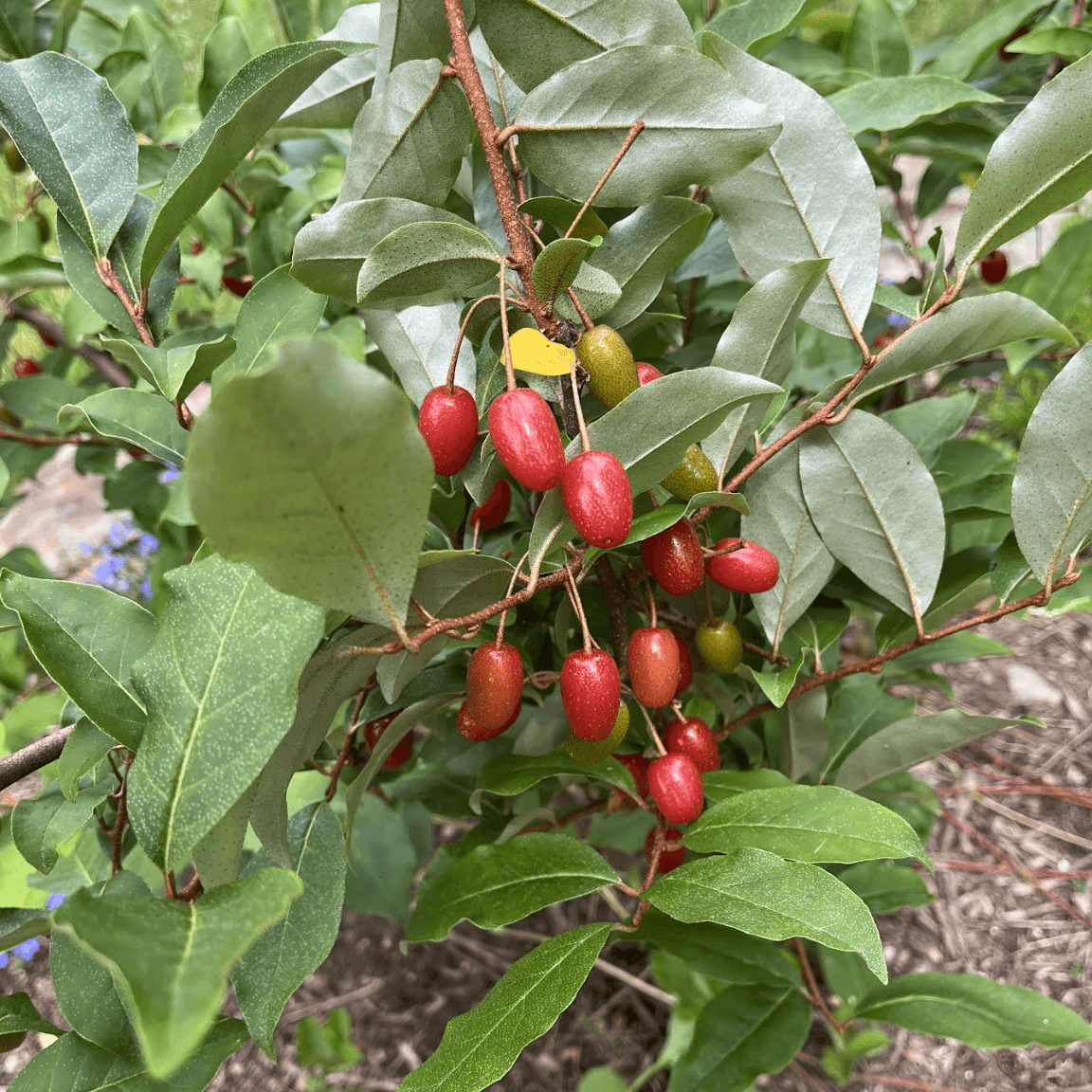
Goumi fruit, sometimes referred to as “goumi berries” are oval to slightly elongated and usually measure smaller than strawberries but larger than most currants. The skin is thin but firm, with a distinctive speckled appearance caused by surface lenticels.
Key characteristics of the fruit:
red to deep crimson when mature
silver or gold speckling on the skin
juicy interior with small, soft seeds
flavor that changes noticeably with ripeness
Color alone does not reliably indicate when a goumi berry is ready to eat.
Goumi does not behave like grocery-store berries in flavor development or shelf life, which is why ripeness timing matters more than appearance alone.
What goumi is not
Goumi is not a strawberry, cherry, or cranberry substitute. Flavor, texture, and handling differ substantially, and expectations based on other red fruits often lead to disappointment when goumi is evaluated too early.
It is also not a direct substitute for dried goji berries in flavor, texture, or use.
Ripening behavior
Goumi berries reach peak eating quality over a window of time, rather than at a single moment. Fruit often ripens in waves across one to two weeks on a single plant. Some berries are harvested slightly early for firmness, while others are best eaten closer to the plant depending on cultivar and conditions.