Research and trials
Reference guide
Research and trials
Goumi research is scattered and outcomes vary by cultivar, ripeness, and handling. This page organizes what has been published, what growers are observing in practice, and what questions still need controlled trials.
Our goal is to separate repeatable patterns from assumptions, and to publish conservative, evidence based guidance as new data becomes available.
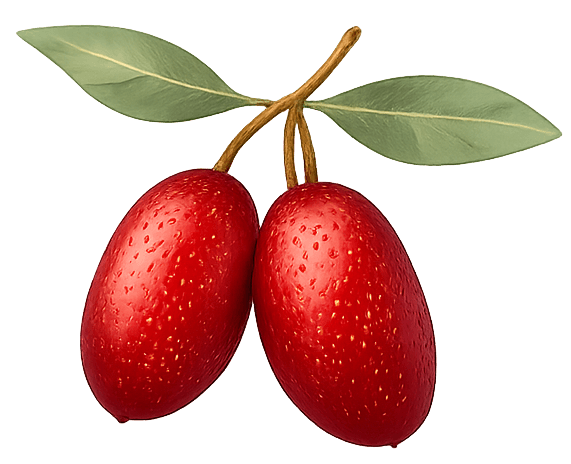
What exists today
Most goumi information available online is anecdotal, cultivar details are often missing, and ripeness is frequently described using color alone. This makes results hard to compare across sources.
The most useful insights tend to come from work that includes:
cultivar or source identification
ripeness stage at harvest
handling and cooling details
clear measurement methods
Read next: Standards for how goumi berry performance is evaluated on this site.
Research index
Use this section as an expandable library. Start with a few entries and grow it over time.
Topics we track
Ripening behavior and flavor development
Astringency and tannin related traits
Nutrients and bioactive compounds
Cultivar differences and performance
Post harvest storage and handling
Processing outcomes and product quality
Nitrogen fixation behavior and long-term soil interactions
How each study is summarized here
For each source, we publish:
what was tested
what was measured
what was found
what limits apply
what a grower can do with it
*Published studies will be added here with primary sources and plain language summaries.
Field trials and cultivar observations
This section documents structured field observations and small-scale trials conducted using consistent evaluation methods.
Common variables tracked include:
cultivar or plant source
bloom timing and fruit set
ripening spread across the plant
astringency progression during ripening
harvest window length
sensitivity to handling and compression
short-term refrigeration outcomes
Observations are recorded using the same ripeness and handling criteria described elsewhere on this site to allow comparison across seasons and locations.
Open questions and gaps
Despite growing interest in goumi, several areas remain poorly understood or inconsistently documented.
Open questions include:
how cultivar differences influence astringency intensity and duration
how ripening behavior shifts across climates and soil conditions
how nitrogen fixation affects fruit quality over time
how harvest timing influences short-term storage outcomes
how processing methods alter perceived acidity and tannins
Many existing claims cannot yet be compared reliably due to inconsistent measurement and reporting.
Measurement methods used on this site
To reduce ambiguity, observations and summaries on this site rely on repeatable, practical measurements rather than subjective descriptors alone.
Common methods include:
structured tasting at defined ripeness stages
basic handling stress tests (compression, transfer count)
short-term refrigeration trials under consistent conditions
side-by-side cultivar comparisons where possible
Measurements are selected for comparability across growers, seasons, and locations, even when precision instruments are not available.
These methods prioritize consistency and interpretation over novelty.
On nitrogen fixation research
Published research on nitrogen fixation in goumi and related Elaeagnus species is limited and often indirect. Existing studies focus primarily on actinorhizal associations rather than practical outcomes for fruit production or soil improvement.
Where data is cited, it is used to describe biological mechanisms, not to infer grower benefits without supporting evidence.
How to contribute observations or data
Growers, researchers, and practitioners are encouraged to contribute observations that meet basic documentation standards.
Useful contributions include:
cultivar identification or source information
harvest timing relative to ripeness stage
handling and storage conditions
clear description of evaluation methods
outcomes that can be compared over time
Submissions should focus on repeatable patterns, not one-off results or isolated anecdotes.
From research to practical decisions
Research is only useful when it informs real-world choices.
By grounding observations in shared standards and clearly stated limits, this site aims to help growers:
interpret conflicting claims
choose harvest timing more confidently
align growing and handling practices with intended use
avoid common sources of negative first impressions
Understanding where evidence is strong — and where it is still emerging — leads to better decisions than certainty based on assumption.
Read next: Standards
or: Taste and ripening