Standards
Reference guide
Goumi vs goji berries
Goumi berries and goji berries are often confused due to similar size, red coloration, and their occasional appearance in health-focused conversations. Despite the visual similarity, they are different fruits with different ripening behavior, handling needs, and best uses.
This page explains the practical differences that matter when choosing, tasting, or growing either fruit.
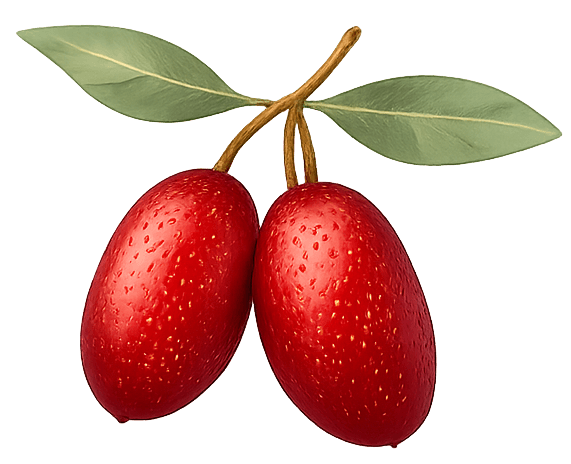
What they are
Goumi berry
Elaeagnus multiflora, a fruiting shrub native to East Asia, typically grown for fresh eating or short-path processing.
Goji berry
Lycium species, commonly grown for drying and long-term storage, and most often encountered as a shelf-stable product.
Learn more: What is a goumi berry
Why goumi and goji are often confused
Confusion between goumi and goji is common for several reasons:
the names are phonetically similar and both are uncommon in everyday language
both fruits are small, red, and oval in shape
many references describe ripeness using color alone
goji is most often encountered dried, while goumi is frequently tasted fresh
goumi is commonly tasted too early, before full ripeness
cultivar identity and harvest timing are rarely specified in comparisons
As a result, unripe goumi fruit is often judged against dried goji berries, leading to inaccurate assumptions about flavor, quality, and suitability for fresh eating.
Key differences that matter
Goumi berries
best used fresh or shortly after harvest
flavor changes significantly across the ripening window
sensitive to harvest timing and handling
commonly processed locally rather than distributed long-distance
Goji berries
commonly dried before consumption
fresh flavor is less familiar to most consumers
marketed primarily as a shelf-stable ingredient
less sensitive to immediate harvest timing
These differences affect how each fruit is evaluated, stored, and used.
Ripening and first-taste risk
The most common reason goumi is perceived as unpleasant is early tasting. Before full ripeness, astringency can dominate and mask sweetness and aroma. As ripeness advances, flavor balance changes noticeably.
Understanding ripening stage is essential for meaningful comparison.
Read next: Taste and ripening
Growing expectations
Goumi and goji also differ in growth habit and harvest behavior:
goumi is a multi-stem shrub that ripens fruit in waves
harvest typically requires multiple passes
fruit quality is closely tied to timing and handling
Expectations shaped by dried goji production often do not translate well to fresh goumi fruit.
Read next: Growing goumi
Which should you choose?
Choose goumi if you value:
fresh eating during a defined harvest window
short-path processing such as freezing or preserves
locally harvested fruit with complex flavor
Choose goji if you prefer:
dried, shelf-stable fruit
long storage and distribution
consistent flavor across batches
Neither fruit is inherently better. They serve different purposes and require different expectations.